Understanding the physical consequences of athletic injuries is the first step toward effective recovery. Learn what happens to your body and how to rebuild stronger.
Sports injuries can have significant physical effects that extend far beyond the initial pain. Understanding these impacts helps athletes prepare for a complete recovery.
Extended periods of rest and reduced activity lead to muscle atrophy. Athletes can lose significant strength in just weeks of inactivity, making rehabilitation essential for returning to peak performance.
Did You Know?
Studies show athletes can lose up to 10-15% of muscle strength within the first week of inactivity.
Acute injuries often bring immediate pain, while chronic conditions can cause persistent discomfort. Managing pain effectively is crucial for maintaining motivation during the recovery process.
Managing Pain
Proper pain management includes medication (as prescribed), ice/heat therapy, rest, and gentle movement. Always consult a healthcare professional.
Injuries often result in stiff joints and decreased range of motion. This limitation affects not just athletic performance but also daily activities and quality of life.
Recovery Tip
Gentle stretching and prescribed mobility exercises can help restore range of motion. Start slowly and progress gradually.
Healing takes time. Depending on the severity, recovery can span weeks to months. Understanding this timeline helps set realistic expectations and prevents premature return to sport.
Typical Timelines
Minor injuries: 1-3 weeks | Moderate: 4-8 weeks | Severe: several months to a year
Returning to activity before full recovery significantly increases the chance of re-injury. Proper rehabilitation and gradual progression are essential for long-term success.
Prevention
Complete your rehabilitation program fully and get clearance from your medical provider before returning to sport.
The body's energy goes toward healing, leaving athletes feeling more tired than usual. This fatigue can impact training capacity and overall athletic performance.
Combat Fatigue
Prioritize sleep, maintain proper nutrition, and listen to your body. Gradually increase activity as you heal.
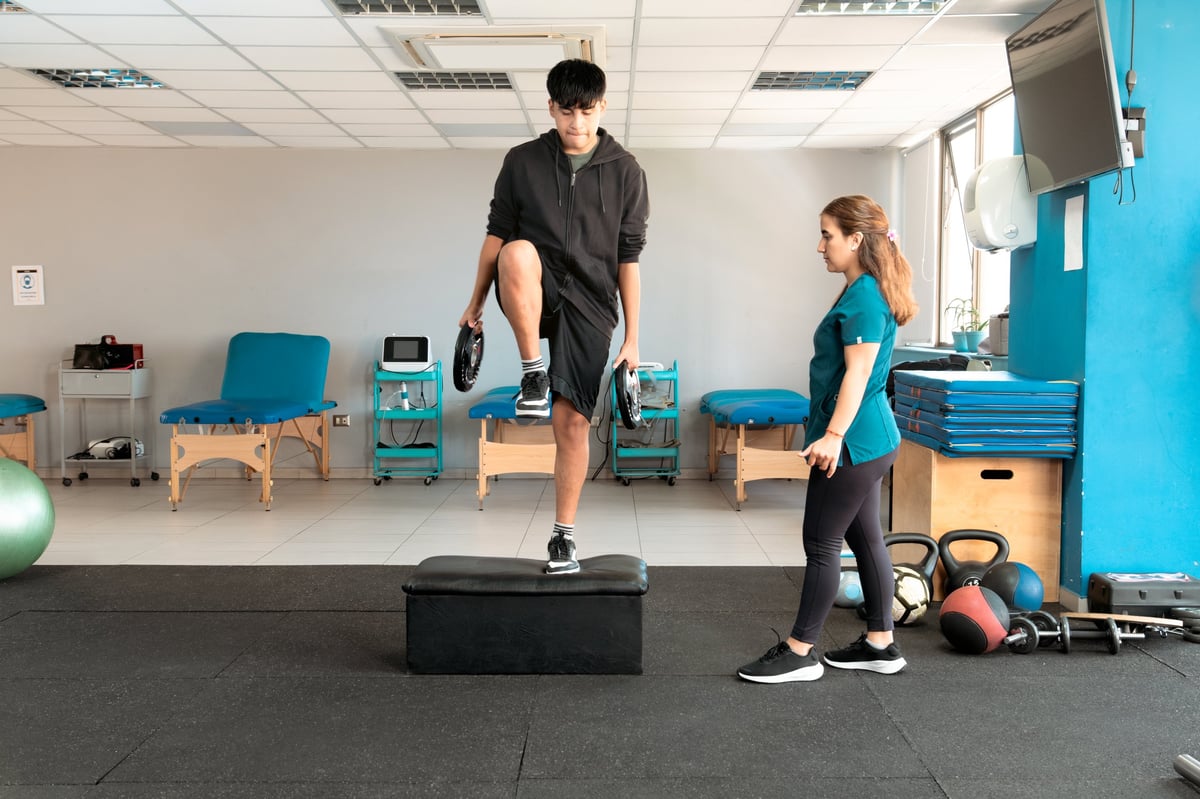
Rehabilitation is not just about healing—it's about returning stronger, smarter, and more resilient than before. Proper rehabilitation helps athletes regain their physical capabilities while minimizing future injury risks.
Key Fact: Athletes who complete formal rehabilitation programs have 50% lower rates of re-injury
Targeted exercises rebuild muscle tissue and restore power that may have been lost during recovery. Progressive resistance training helps rebuild tissue tolerance.
Stretching and mobility work restore range of motion to injured areas and surrounding joints. This is crucial for both performance and injury prevention.
Gradual progression ensures the body is ready for the demands of sport, reducing re-injury risk. A phased return-to-play protocol is essential.
Physical rehabilitation also helps rebuild mental confidence. Completing exercises successfully reminds athletes of their capabilities.
A structured physical therapy program typically includes several phases designed to safely progress athletes from initial injury to full return to sport.
Phases of Rehabilitation:
Phase 1: Pain & Inflammation Control → Phase 2: Range of Motion → Phase 3: Strengthening → Phase 4: Sport-Specific Training → Phase 5: Return to Competition
A structured physical therapy program typically includes:
Comprehensive evaluation to create a personalized treatment plan
Progressive resistance training to rebuild muscle strength
Exercises to restore full range of motion in joints
Training to improve joint stability and body awareness
Exercises that mimic the demands of your specific sport
Expert Care
Personalized Treatment
Discover proven rehabilitation strategies and work with experts who understand what it takes to return to peak performance.